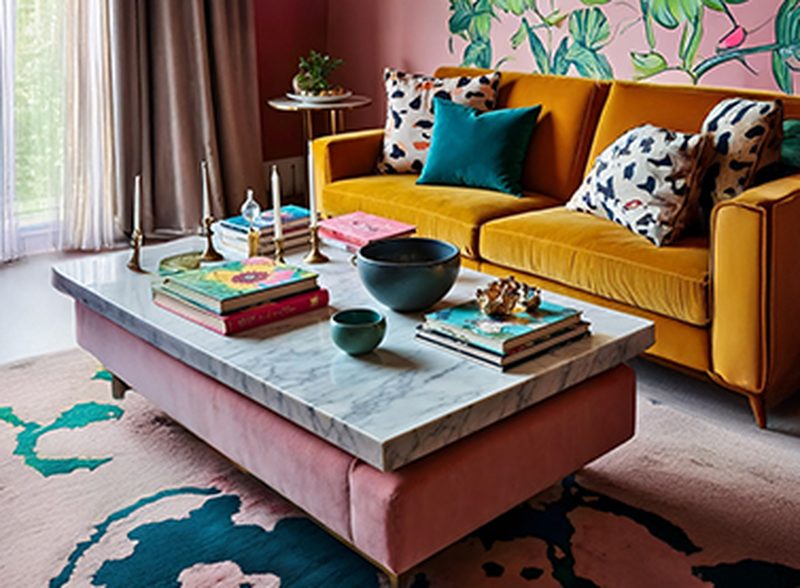
A Nostalgic Journey: Retro Furniture Designs

We explored the defining characteristics of the retro movement—now more popular than ever as an expression of nostalgia for the past—along with key insights into retro-inspired interior design.
If you’re drawn to past eras and want to bring a distinctive vintage-inspired atmosphere into your home, it’s worth exploring the essence of retro décor. Gaining increasing popularity in recent years, the retro design movement reinterprets the furniture, accessories, and design spirit of the 1950s through the 1980s for contemporary interiors.
Thoughtfully curated retro décor can give a home a unique personality and create a truly distinctive style. However, the terms retro and vintage are often confused. Let’s explore what retro really means, how it differs from vintage, and how you can incorporate retro style into your home.
What Is Retro?
Before defining retro, it’s helpful to understand the term vintage. Originally associated with wine, vintage derives from the French word vendange, meaning “grape harvest.” For an object or piece to be considered vintage, it must authentically reflect the character and spirit of a past era.
Retro, on the other hand, refers to newly produced objects and designs that recreate the appearance and aesthetic of earlier decades. In other words, retro can be seen as a modern reinterpretation of vintage style. Unlike vintage items, retro products do not need to be old; they simply capture the visual identity of the past. Understanding this distinction can help you make more informed choices when selecting furniture such as sofas, desks, or TV units. The retro aesthetic would also complement the interior design and color palette of the Ataköy Project exceptionally well.
How to Create a Retro Interior
Since retro design draws inspiration from the past, accessories play a crucial role. Decorative pieces with aged finishes and vintage-inspired forms work particularly well in living spaces. Distressed decorative objects and sculptural accents are among the essential elements of a retro living room.
Retro interiors should feel lively and playful rather than dull. Patchwork blankets and brightly colored cushions instantly create a retro atmosphere. Although today’s retro trends often reference the 1970s and 1980s, you can also draw inspiration from earlier decades. Classic furniture with colorful pop-culture influences creates a stylish, nostalgic, and authentic retro aesthetic.
Lighting
Lighting is one of the most important details for achieving a retro look. Simple, organically shaped lighting fixtures can dramatically transform the atmosphere of your home.
Table lamps hold a special place in vintage-inspired interiors, particularly as iconic elements of 1970s design. Creating a softly lit environment with warm ambient lighting helps reinforce the nostalgic retro atmosphere.
Wall Accessories
To avoid plain, monotonous walls, consider using vibrant wallpaper or wall-mounted shelving. If you choose patterned wallpaper, coordinate your furniture carefully to prevent the space from feeling visually overwhelming. When using shelves, opt for smaller decorative objects to maintain balance. Displaying artwork by iconic artists can also add personality while enhancing the retro character of your living space.
The Role of Furniture
Retro interiors typically avoid excessive extravagance, favoring clean and understated furniture designs. Combining contrasting colors can create striking visual interest throughout the home. Colorful throws, traditional kilims, sliding-door cabinets, distressed stools, and vintage-style side tables are among the furniture pieces that best represent the retro aesthetic.
Large mirrors can also make your living space feel brighter and more spacious. Pairing them with colorful curtains and a retro-style refrigerator creates a fun, vibrant, and unmistakably nostalgic atmosphere.