Home Decor Trends for 2026: Ideas and Inspiration

Home Decor Trends for 2026: Ideas and Inspiration
Home decorating is about more than choosing beautiful furniture—it is about creating a balanced living environment where aesthetics, functionality, and personal style come together. Colour palettes, furniture proportions, textures, and lighting all influence how a space feels and functions. Light colours create a brighter, more spacious atmosphere, while darker tones add depth and character. Layered lighting, rather than relying on a single source, creates warmth and visual balance. Coordinating curtains, rugs, and wall décor further enhances the sense of harmony throughout the home.
Great interior design also prioritizes practicality. Choosing furniture that suits the way you live makes better use of available space, while multifunctional pieces help maximize storage in smaller homes. Natural materials, indoor plants, and carefully selected accessories introduce personality without overwhelming the interior, creating timeless spaces designed to be enjoyed for years to come.
Home Decor Trends for 2026
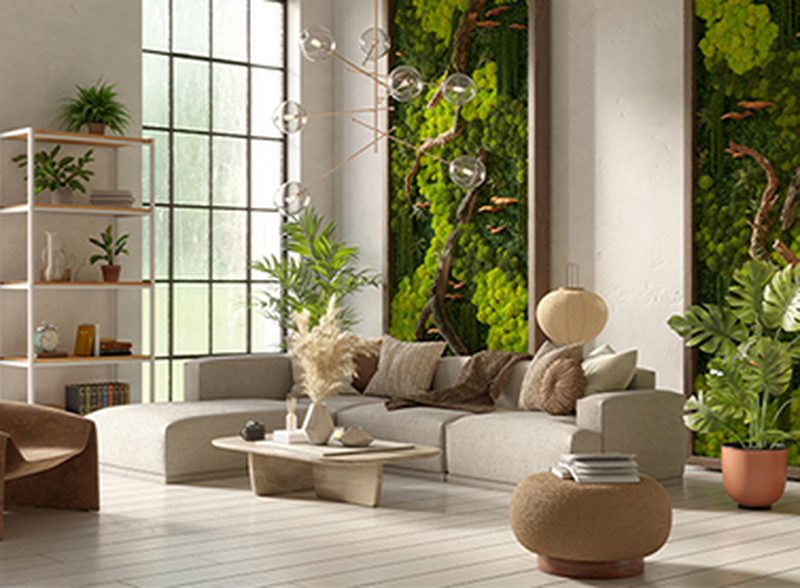
Interior design in 2026 continues to balance functionality, sustainability, and timeless aesthetics. Minimalist forms remain popular, but they are now complemented by richer textures, warmer materials, and more personalized interiors.
Among this year’s defining trends are:
- Natural stone-inspired wall finishes
- Linen and vegan leather upholstery
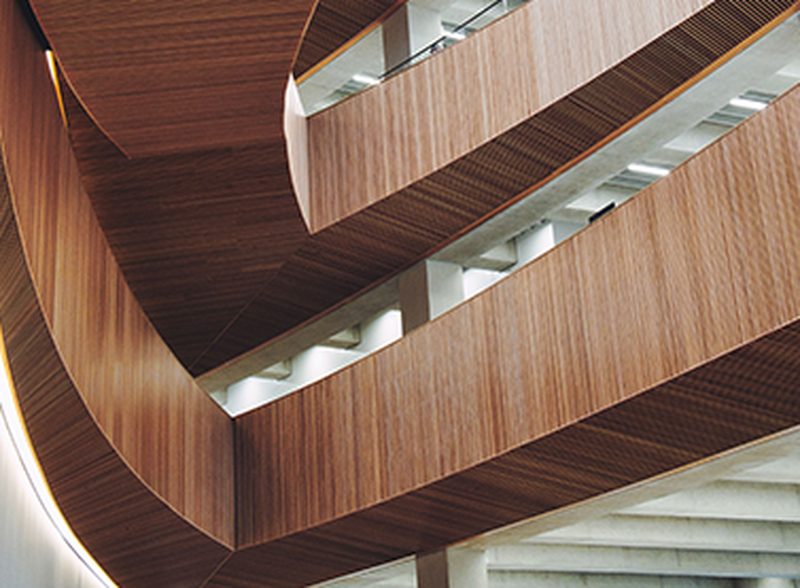
- Light-toned wood finishes
- Soft layered textiles
- Sculptural lighting fixtures
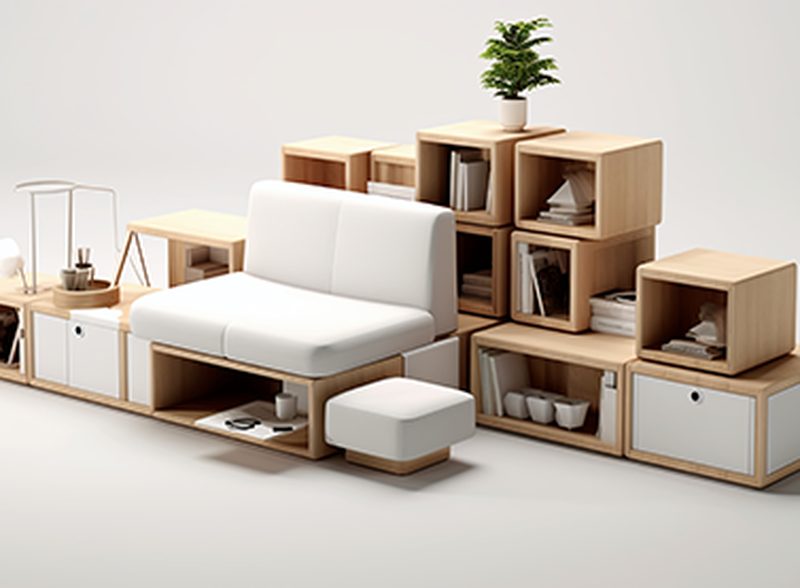
Design in 2026 focuses on adaptable living environments that evolve with changing lifestyles. Modular seating, movable console tables, and flexible furniture systems allow homeowners to easily reconfigure their spaces as needs change.
Key trends include:
- Modular, reconfigurable furniture
- Natural stone, linen, and light wood combinations
- Layered textiles such as rugs, curtains, and upholstery
- Warm earth-inspired colour palettes including cream, sand, beige, and terracotta
- Decorative lighting that combines functionality with sculptural design
The result is a home that feels flexible, personal, and ready to adapt over time.
Most Popular Interior Design Styles for 2026
This year’s most influential decorating styles combine sustainability with comfort and individuality.
Natural and Sustainable Living
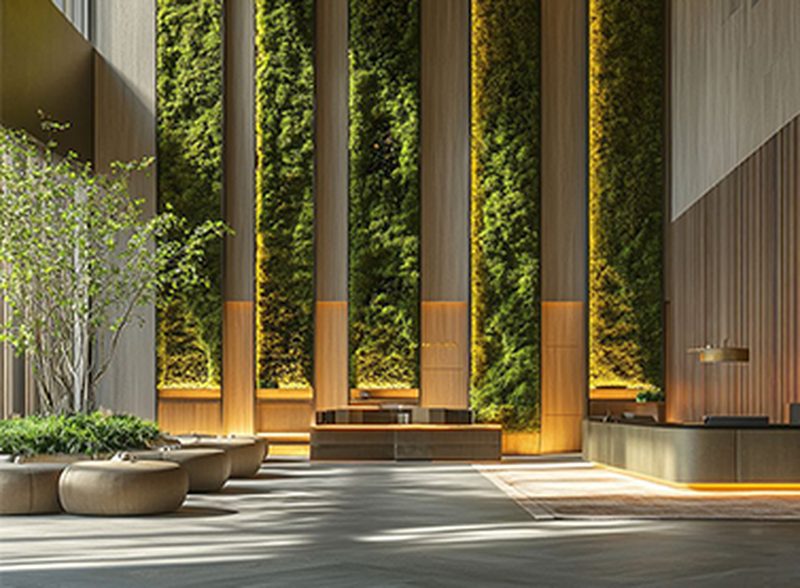
Sustainability remains one of the strongest influences on interior design.
Natural materials such as:
- Wood
- Stone
- Bamboo
- Linen
continue to dominate contemporary interiors. Recyclable furniture and durable materials encourage more responsible consumption while creating timeless living spaces.
Warm earth tones—including beige, sand, clay, and soft browns—remain central to this aesthetic.
Warm Minimalism
Minimalism continues to evolve beyond simple white interiors.
Homes now combine clean architectural lines with:
- Soft textiles
- Layered fabrics
- Warm lighting
- Natural textures
Multifunctional furniture and concealed storage help maintain uncluttered spaces while preserving warmth and comfort.
Technology-Integrated Design
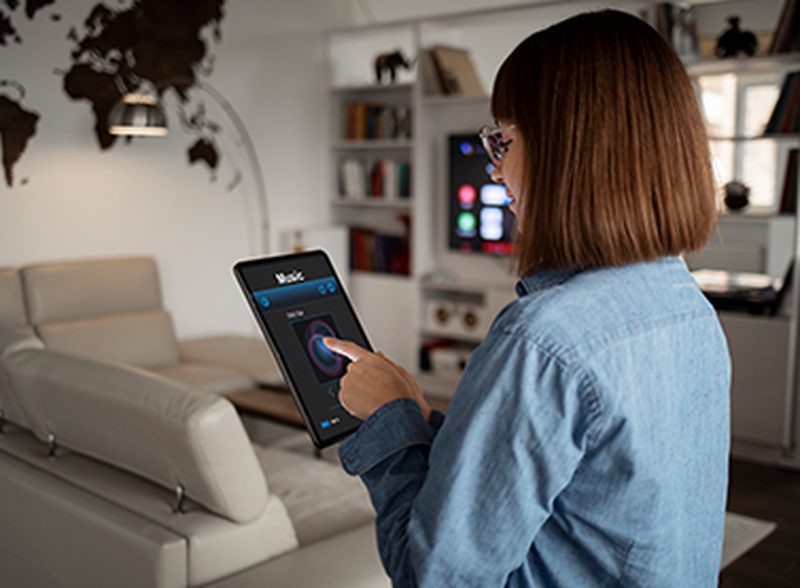
Smart home technology is becoming an integral part of interior design rather than a separate feature.
Connected lighting, energy-efficient systems, and voice-controlled automation blend seamlessly into modern interiors while enhancing everyday convenience.
Eclectic Personalization
Personal expression is becoming increasingly important.
Rather than following a single decorating style, homeowners are confidently combining carefully selected elements from different design traditions to create unique interiors that reflect individual personalities while maintaining visual balance.
Decorating a Newly Purchased Home
Decorating a new home begins long before furniture arrives.
A well-planned design strategy helps control costs, simplifies installation, and reduces the likelihood of expensive changes later.
Important factors include:
- Natural light orientation
- Room dimensions
- Circulation routes
- Electrical outlet locations
- Heating system placement
Understanding these elements before purchasing furniture makes it much easier to choose appropriate colours, layouts, and furnishings.
Before shopping, homeowners should establish a clear list of priorities to avoid unnecessary purchases and preserve a sense of openness throughout the home.
Recommended planning steps include:
- Measuring every room accurately
- Creating a floor plan, either digitally or on paper
- Selecting colours according to natural light exposure
- Planning additional built-in storage where necessary
- Choosing furniture based on function, dimensions, and appearance—in that order
- Completing lighting and electrical upgrades before moving in
This structured approach creates a more efficient decorating process while supporting long-term comfort.
Preparing a Decorating Plan Before Moving
The best time to make decorating decisions is before furniture is delivered.
Painting, flooring upgrades, built-in storage, and electrical improvements can all be completed much more efficiently while rooms remain empty.
Accurate measurements should always come first. Once room dimensions are established, selecting appropriately sized furniture becomes significantly easier.
Colour selection should also consider natural daylight. Bright rooms often work well with cooler shades, while darker spaces benefit from warm neutrals such as beige, sand, and terracotta.
Planning lighting in advance—including recessed lighting, LED strips, and decorative fixtures—helps eliminate future renovation work after moving in.
Space Planning, Furniture Selection, and Layout Optimization
Accurate measurements form the foundation of successful interior design.
Oversized sofas, poorly positioned wardrobes, or dining tables that interrupt circulation can significantly reduce both comfort and functionality.
Furniture should therefore be selected not only for its appearance but also according to:
- Intended use
- Storage capacity
- Overall proportions
In smaller homes, multifunctional furniture such as storage beds, concealed storage units, and modular systems maximizes available space.
Larger homes benefit from flexible seating arrangements, modular sofas, movable ottomans, and adaptable layouts that support changing needs.
Finally, circulation should always remain unobstructed. Doorways, window access, and primary walking routes should remain clear to create interiors that feel spacious, comfortable, and naturally balanced.