Energy Saving at Home: Practical and Cost-Effective Solutions

Energy Saving at Home: Practical and Cost-Effective Solutions
Improving energy efficiency in residential design helps reduce unnecessary energy loss, lowering utility bills while creating a more comfortable indoor environment. Effective insulation, high-performance windows that maximize natural daylight, and wall systems designed to minimize thermal bridging all play a vital role in improving a home’s overall energy performance. Strengthening the building envelope also makes a home more resilient to seasonal climate changes while reducing long-term energy consumption.
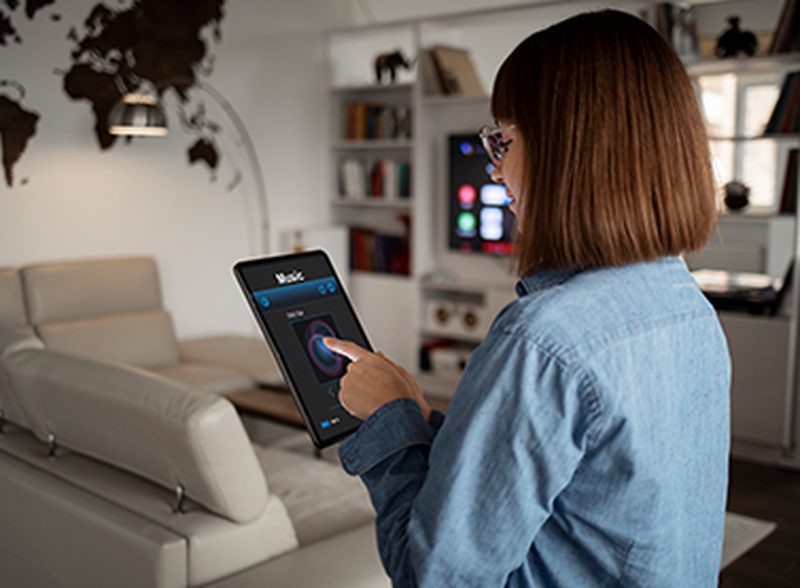
Technology has become equally important in energy-efficient homes. Smart thermostats, sensor-controlled lighting, and high-efficiency heating and cooling systems help optimize energy use by adapting to daily living patterns. These intelligent solutions automatically adjust energy consumption, eliminate unnecessary waste, and maintain indoor comfort. Combined with renewable energy systems, they also reduce long-term operating costs while increasing property value.
Key Features and Benefits of Energy-Efficient Homes
Energy-efficient homes rely on intelligent architectural solutions that minimize heat loss throughout the building. Well-insulated façades, high-performance glazing systems, and construction methods that reduce thermal bridges allow homes to maintain more stable indoor temperatures throughout the year.
Modern developments also prioritize highly efficient appliances with superior energy ratings, significantly reducing overall household energy consumption.
The advantages extend well beyond lower utility bills. Energy-efficient homes also provide:
- Improved indoor air quality
- Better humidity and temperature control
- Reduced air leakage
- Lower carbon emissions
- Greater compatibility with renewable energy technologies
Because these homes consume less energy throughout their lifespan, they offer a more sustainable solution from both environmental and financial perspectives. Energy efficiency is therefore not simply a technical feature—it is a long-term investment in comfort, wellbeing, and responsible living.
Typical characteristics include:
- High-performance wall and roof insulation
- Energy-efficient window and glazing systems
- High-rated appliances and equipment
- Smart home energy management and automation
Together, these features create homes that meet today’s expectations while supporting the sustainability goals of tomorrow.
Modern Technologies That Reduce Household Energy Consumption
Today’s residential developments increasingly incorporate technologies that improve energy performance while enhancing everyday comfort.
From smart home systems to renewable energy solutions, modern homes are designed to optimize energy use automatically and minimize unnecessary consumption. These technologies encourage more responsible energy habits while delivering measurable long-term savings.
Smart thermostats, for example, learn occupancy patterns and automatically adjust heating and cooling schedules. Likewise, sensor-controlled lighting activates only when needed, reducing electricity consumption without sacrificing convenience.
These technologies generally fall into three categories:
- Renewable energy systems: Solar panels and hybrid energy solutions
- Smart energy management: Sensors, thermostats, and home automation
- High-efficiency equipment: LED lighting, inverter technology, and energy-efficient appliances
When integrated together, these solutions significantly improve residential energy performance while lowering long-term operating costs.
The Role of Solar Energy in Residential Homes
Solar energy has become one of the most effective ways to improve household energy efficiency. Installed on rooftops or other suitable surfaces, photovoltaic panels convert sunlight into electricity, allowing homes to generate a substantial portion of their own energy.
Modern battery storage systems further enhance these benefits by storing excess electricity for use during evenings or periods of high demand, increasing energy independence while reducing reliance on the grid.
Beyond electricity generation, solar energy can also support:
- Domestic hot water systems
- Swimming pool heating
- Hybrid heating and cooling systems
Over time, these renewable energy investments reduce operating expenses while increasing both sustainability and property value.
Reducing Electricity Consumption with LED Lighting and Smart Sensors
LED lighting has become an essential component of energy-efficient homes due to its significantly lower electricity consumption compared to traditional incandescent and fluorescent lighting.
LED technology provides:
- Higher energy efficiency
- Longer operating life
- Reduced maintenance costs
- Lower electricity bills
Smart sensors further improve efficiency by ensuring lighting is used only when needed. Motion sensors, daylight sensors, and programmable timers automatically control lighting based on occupancy and available natural light.
Together, LED lighting and intelligent controls offer one of the simplest and most cost-effective ways to improve household energy performance.
High-Efficiency Heating and Cooling Systems
Heating and cooling typically account for the largest share of residential energy consumption. High-efficiency systems such as inverter air conditioners, heat pumps, and condensing boilers deliver superior comfort while consuming considerably less energy.
Heat pump technology is particularly valuable because it provides both heating and cooling through a single system, offering year-round comfort with excellent energy performance.
Modern systems also include advanced filtration technologies that improve indoor air quality while maintaining comfortable temperatures throughout the home.
Over the long term, these technologies:
- Reduce operating costs
- Increase property value
- Lower carbon emissions
- Support sustainable residential development
As a result, they have become a standard feature in many contemporary housing projects.
Affordable Ways to Improve Energy Efficiency
Improving household energy efficiency does not always require major renovations. Many simple daily habits can produce significant savings with very little investment.
Choosing efficient appliances, using lighting more effectively, and monitoring electricity and water consumption all contribute to lower monthly expenses while encouraging more sustainable living.
Simple everyday practices include:
- Turning off appliances instead of leaving them on standby
- Washing clothes at lower temperatures
- Taking shorter showers
- Replacing worn window seals to reduce heat loss
- Eliminating air leaks around doors and windows
Additional cost-effective habits include:
- Optimizing appliance and lighting usage
- Reducing unnecessary water and electricity consumption
- Performing regular maintenance to minimize heat loss
Although these changes may seem small individually, together they create meaningful long-term savings while reducing environmental impact and supporting a more sustainable lifestyle.