Ecological and Sustainable Design: The Relationship Between People and Nature

You can read our article exploring the concept of ecological and sustainable design—one of the defining trends of our time—and the relationship between people and nature.
Among the most pressing issues of our era are global warming, climate change, rapid urbanization, and the increasing distance between humanity and nature. In response to these challenges and the evolving ecosystem, design philosophy continues to reinvent itself, adapting to changing human needs.
Since the 1980s, the concept of sustainable and ecological design has steadily gained prominence. Today, its relationship with ecology, environmental sciences, and technology has become more than a matter of environmental awareness—it has become a fundamental necessity.
In this article, we will explore the principles of ecological and sustainable design while examining the relationship between people and nature. Let’s begin by taking a closer look at sustainable design.
What Are Sustainable Design and Sustainable Products?
The concept of sustainable design is based on meeting human needs without harming the ecosystem. It is also commonly associated with terms such as nature-inspired design, life cycle design, and environmentally conscious design.
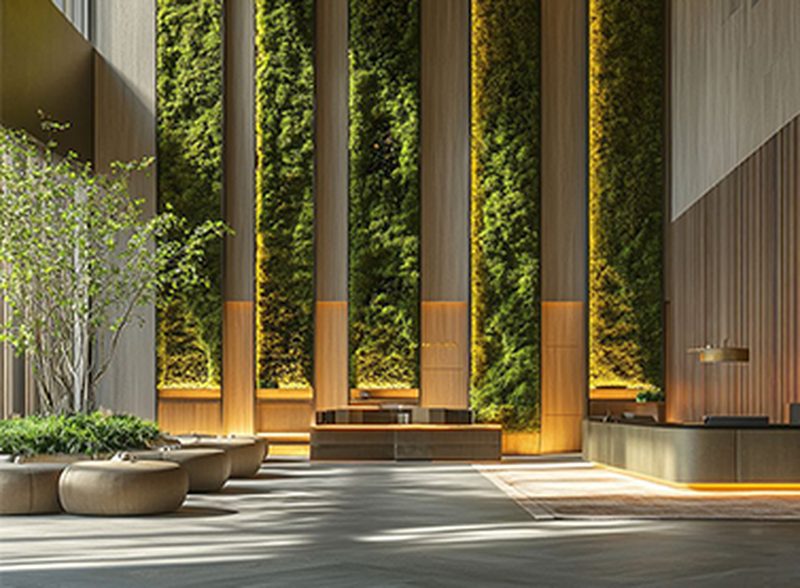
The key principle of sustainable design, as demonstrated by the Reserve Yalıkavak Project, is to develop products and spaces in a way that minimizes their environmental impact. Another important objective is to reduce environmental harm while simultaneously increasing the product’s lifespan and performance.
Another fundamental concept within sustainable design is the product life cycle. A life cycle begins with the selection of raw materials and continues through manufacturing, packaging, transportation, distribution, installation, maintenance, and ultimately the end of the product’s useful life.
Products may have negative environmental impacts at different stages of this life cycle. In this context, a “sustainable product” can be defined as one that creates the least possible environmental impact throughout its entire life cycle.
Ecological and Sustainable Design: This Planet Belongs to All of Us
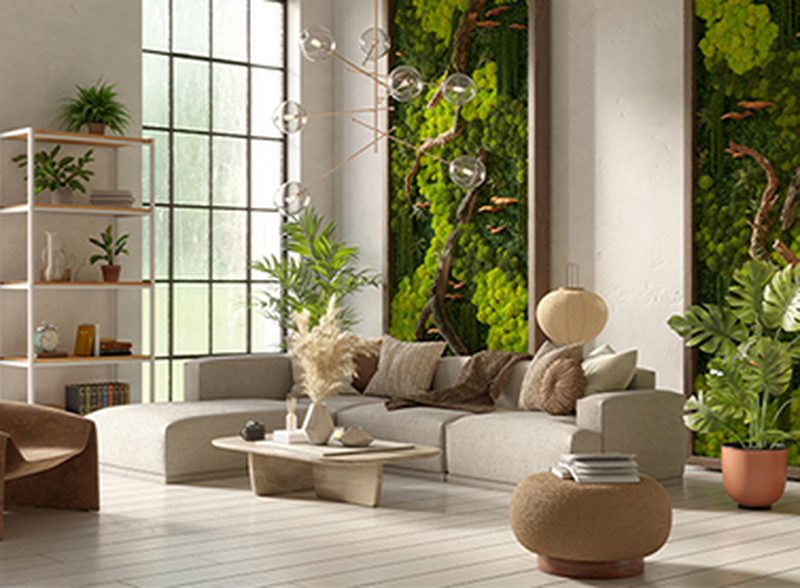
Sustainability encompasses not only ecological continuity but also social and behavioral continuity. Natural materials within a space contribute positively to both physical and mental well-being. Environmentally compatible materials and minimally processed building components also play an important role in supporting human health.
As illustrated by the Reserve Gölköy Project, the ecological and sustainable design approach seeks to maximize the interaction between people and nature while encouraging a more balanced relationship with the natural environment. This forward-thinking philosophy also aims to strengthen environmental awareness and leave a greener world and healthier living environments for future generations.
What Are the Fundamental Principles of Ecological and Sustainable Design?
Restoring damaged ecosystems requires both time and long-term commitment. Therefore, protecting the environment demands decisive policies, the adoption of renewable energy sources, and the implementation of environmentally responsible design solutions.
The fundamental principles of ecological and sustainable design aimed at minimizing environmental impact include the following:
Environmentally Friendly Materials
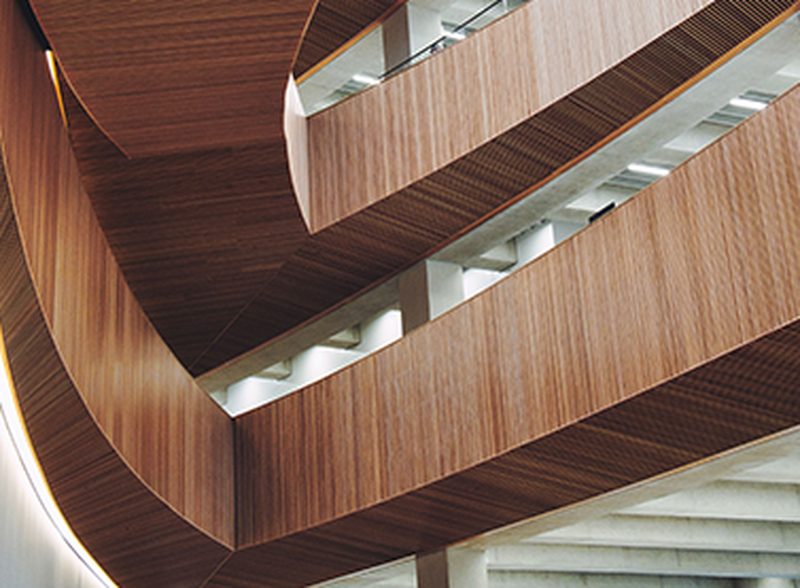
Within sustainable design and ecological architecture, durable materials that can be reused are of great importance. Examples include polyurethane blocks, wood, clay, earth, adobe, paper, wool, linoleum, natural sponge, and brick. For insulation purposes, natural materials such as timber, bamboo, and straw bales are widely recommended.
Ecological Cities and Regional Planning
In this approach to ecological living and design, careful planning that places workplaces, residential areas, and shopping centers close to one another plays a critical role. Creating compact communities helps improve energy efficiency while reducing unnecessary resource consumption. At the same time, maximizing the use of natural resources contributes to lowering carbon dioxide emissions.
Sustainable Transportation Alternatives
As transportation options continue to expand, environmental pollution increases accordingly, making public transportation more important than ever. For this reason, vehicles powered by solar energy or electricity are expected to become a major priority within ecological design in the coming years.
Energy Efficiency
Another major focus of ecological and sustainable design is the development of systems that generate more energy while consuming fewer resources. Examples include smart solar chimneys, building automation technologies, and intelligent home systems.