Transform Your Home with Natural Materials

Transform Your Home with Natural Materials
Home decoration with natural materials has become one of the most popular choices for those embracing a simple and mindful lifestyle in recent years. Living spaces that move away from artificial textures and embrace the colors and forms of nature create an atmosphere that is both elegant and peaceful. In this approach, the strength of stone, the refined texture of linen, and the warmth of wood come together to give interiors a balanced and inviting character.
Home decoration with natural materials is more than a visual preference; it also reflects a healthy and sustainable way of living. Stone creates a natural texture on wall surfaces, enhancing the character of a space. Linen fabrics bring breathable elegance to curtains and cushions, while wooden details add warmth throughout the home, from furniture to flooring. When combined, these three natural elements transform living spaces into environments that are harmonious with nature, serene, and sophisticated.
The Rising Trend of Home Decoration with Natural Materials
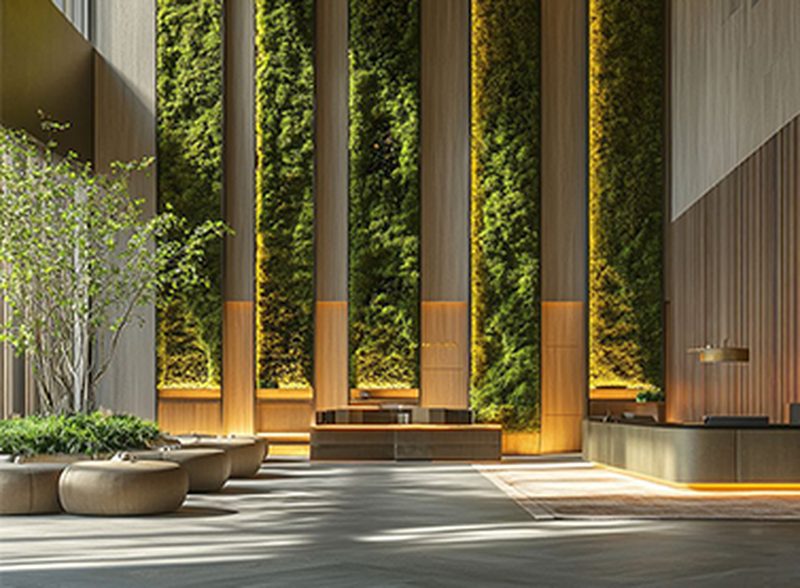
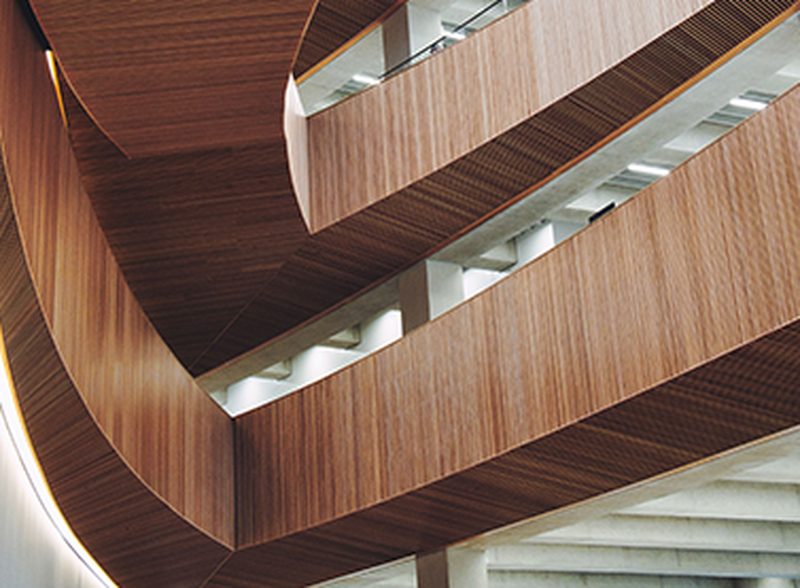
The growing appreciation for natural aesthetics has brought wooden decorative elements back into the spotlight. Thanks to its warmth and authentic connection with nature, wood makes living spaces feel more welcoming. From furniture and wall cladding to ceiling beams and lighting details, it offers remarkable versatility while creating a cohesive atmosphere throughout the home. Light-toned wooden surfaces also reflect natural light, making interiors feel brighter and more spacious.
At the heart of this trend lies a commitment to sustainable living. Choosing recyclable materials, using environmentally friendly paints, and installing energy-efficient lighting systems are key aspects of an eco-conscious lifestyle. Those who embrace natural design create homes that balance aesthetic appeal with responsible consumption.
Rustic textures are among the strongest complements to this approach. Rustic décor combines the charm of old and new, blending weathered surfaces with natural materials. Key features of this style include:
- Solid wood furniture crafted by hand
- Stone or exposed brick wall finishes
- Natural textiles such as linen, wool, and bamboo
- Handwoven rugs and kilims
- Simple lighting fixtures that highlight natural light
Ultimately, home decoration shaped by natural materials represents more than an aesthetic preference—it reflects a lifestyle philosophy centered on authenticity and sustainability.
Transitioning to Sustainable Living Spaces
In contemporary design, sustainability has evolved from a preference into a way of life. Sustainable living spaces combine eco-friendly materials, energy efficiency, and mindful consumption to reduce environmental impact while offering long-term economic benefits. Choosing renewable materials such as wood, bamboo, and linen gives interiors both aesthetic appeal and an environmentally conscious identity.
Energy efficiency is another essential component of this transformation. Windows designed to maximize daylight, eco-friendly lighting systems, and high-performance insulation reduce resource consumption without compromising comfort. As a result, living spaces become sustainable not only visually but also functionally.
Sustainability extends beyond material selection. Daily habits, recycling awareness, and environmentally responsible decisions are equally important. Home design becomes an expression of a broader lifestyle, creating a meaningful balance between beauty and responsibility.
Interior Designs Inspired by Nature
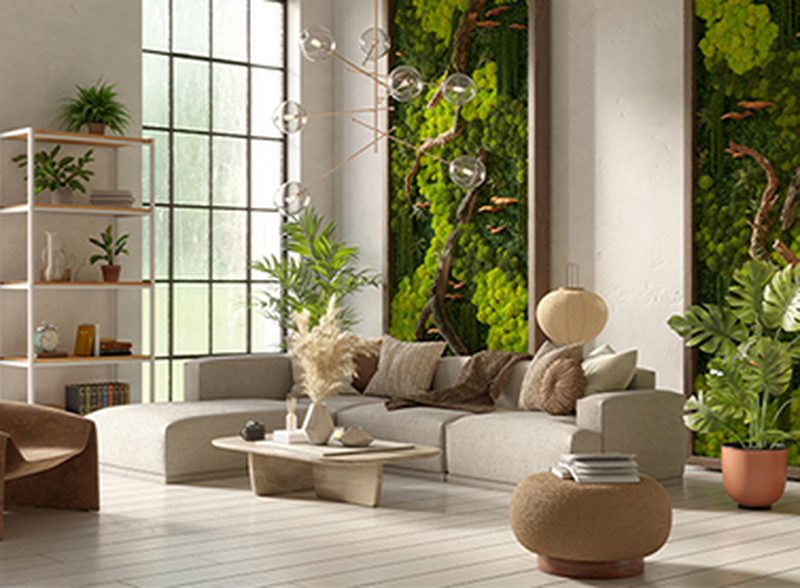
Nature’s harmonious balance is one of the greatest sources of inspiration for interior design. Nature-inspired interiors evoke feelings of peace and well-being. The warmth of wood, the strength of stone, and the simplicity of linen work together to create calming environments that bring the outdoors inside.
Color choices play a defining role in this design philosophy. Earthy shades, olive green, beige, and cream soften the atmosphere and establish a natural harmony. Gentle transitions and tactile surfaces enhance this sense of continuity, creating spaces that are soothing both visually and emotionally.
Organic forms also take center stage in nature-inspired interiors. Curved furniture, natural stone wall finishes, and handcrafted accessories introduce the imperfect beauty of nature into the home. As a result, interiors become more than functional spaces—they become environments that reconnect people with the natural world.
Tips for Combining Natural Materials
Blending different natural materials within the same space is one of the most elegant ways to create a balanced interior. Harmony is achieved through complementary textures and subtle color transitions. The warmth of wood pairs beautifully with the strength of stone, while textiles such as linen, wool, and cotton soften the composition and create an inviting atmosphere. The texture, light reflection, and tactile qualities of each material all contribute to the overall balance.
To achieve a harmonious combination, several principles should be considered. Soft transitions between color tones strengthen visual unity. When combining wood and stone, both materials should retain their natural appearance, avoiding excessive processing that could diminish their authentic character.
When combining natural materials, keep the following in mind:
- Choose materials within the same color family to maintain visual harmony.
- Balance heavier textures such as wood and stone with lighter materials like linen or bamboo.
- Avoid glossy or plastic surfaces, allowing natural matte textures to stand out.
- Use warm white lighting to soften transitions between natural tones.
- Opt for simple, spacious surfaces that highlight the textures of each material.
Ultimately, allowing every material to retain its natural character while respecting the qualities of the others creates interiors that are not only aesthetically pleasing but also calm, welcoming, and timeless.