An Ancient Chinese Philosophy: Bringing the Elegance of Feng Shui Into Your Living Space

Feng Shui, an ancient philosophy originating in the Far East, is the art of living in harmony with your surroundings. We have explored this centuries-old Chinese practice and its principles for creating balanced living spaces.
The concept of Feng Shui has been part of everyday life and interior design for many years. With a history spanning more than 5,000 years, this philosophy is, at its core, the practice of bringing the energy of wind and water into living spaces in a harmonious way.
Feng Shui teaches that a cosmic energy is constantly flowing through our environment and influencing our lives. It emphasizes the importance of living in harmony with nature and the spaces we inhabit.
This ancient philosophy is believed to promote health, peace, good fortune, and happiness by creating positive energy within the home. In this article, we will share practical Feng Shui decorating ideas that you can apply in your own living space. However, it is worth remembering that embracing this philosophy begins with letting go of negative thoughts and approaching the practice with an open mind.
A Feng Shui Home: Living in Harmony with Energy
Literally meaning “wind and water,” Feng Shui is about aligning the colors, elements, and natural energy of your surroundings to create balance. According to this philosophy, every color and every object carries its own energy. The key is understanding how to use that energy effectively.
Your choice of furniture, decorative elements, and accessories all contribute to the energy of your home. As seen in many Nef developments, including the Bahçelievler Project and the Çamlıtepe Project, carefully selected furniture and color palettes can help create a harmonious living environment. You can also invite the life energy known as Chi into your own home through the following principles.
Harness the Power of Color
Color plays a significant role in Feng Shui. Although black is elegant and sophisticated, excessive use of it may create heavy or negative energy within a space. Balancing black furniture or accessories with lighter colors helps create a more harmonious atmosphere.
White is considered one of the most effective colors for attracting positive energy, although it should not dominate every surface. Balance remains essential. Some commonly associated meanings of Feng Shui colors include:
Red: Represents vitality, passion, courage, and romance. Excessive use, however, may encourage feelings of anger or restlessness.
Orange: Symbolizes enthusiasm, sociability, confidence, and energy. As one of the warmest colors after red, it conveys vibrancy and grandeur.
Yellow: Associated with light, joy, creativity, productivity, and inspiration.
Blue: Represents the sky and the sea, promoting tranquility, calmness, and relaxation.
Green: The color of nature and renewal, symbolizing peace, balance, and security.
Leave Open Space
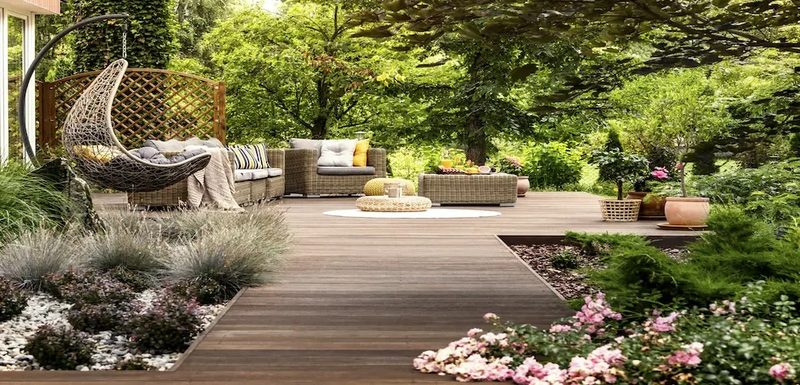
Creating open areas within your home allows positive energy to circulate more freely. The size of your home is less important than avoiding unnecessary clutter. Removing excess belongings and creating peaceful corners encourages a more balanced environment.
Create a Welcoming Entrance
The entrance is the first impression of your home and sets the tone for the entire space. Keeping this area clean, organized, and inviting helps welcome positive energy.
According to Feng Shui principles, a mirror or large glass surface should not be placed directly opposite the front door, as it is believed to reflect incoming energy back outside before it can circulate throughout the home.
Keep Your Kitchen Organized
An orderly kitchen is considered especially important in Feng Shui because it symbolizes abundance and prosperity. Foods that do not spoil easily—such as fruit displayed in bowls or dry goods stored in glass jars—are often left visible to reinforce the idea of nourishment and wealth.
Embrace the Soft Home Concept
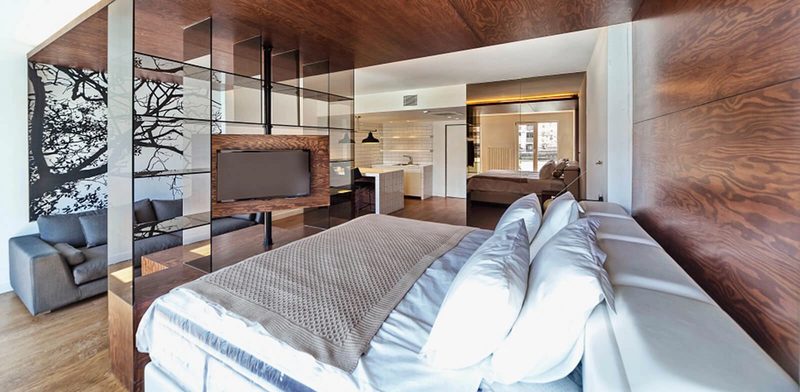
The word soft refers to creating an environment filled with comfortable, inviting textures. Drape soft blankets over your sofa, add plush cushions, and incorporate cozy floor cushions or rugs to create a warm and relaxing atmosphere.
Maximize Natural Light
Choose lighting that closely resembles natural daylight whenever possible. Rooms should feel neither excessively bright nor overly dark. If your home receives abundant natural sunlight—similar to the Bahçelievler Project—make the most of it by allowing daylight to flow freely throughout your living spaces.
When thoughtfully arranged, living spaces create a sense of balance and positive energy. In this article, we have explored the key principles of Feng Shui and how they can help transform your home into a more harmonious environment. If you would like to continue reading, we invite you to explore our article on Making Small Living Spaces Feel More Spacious.